
Common Pergola Installation Mistakes You Should Avoid at Home?
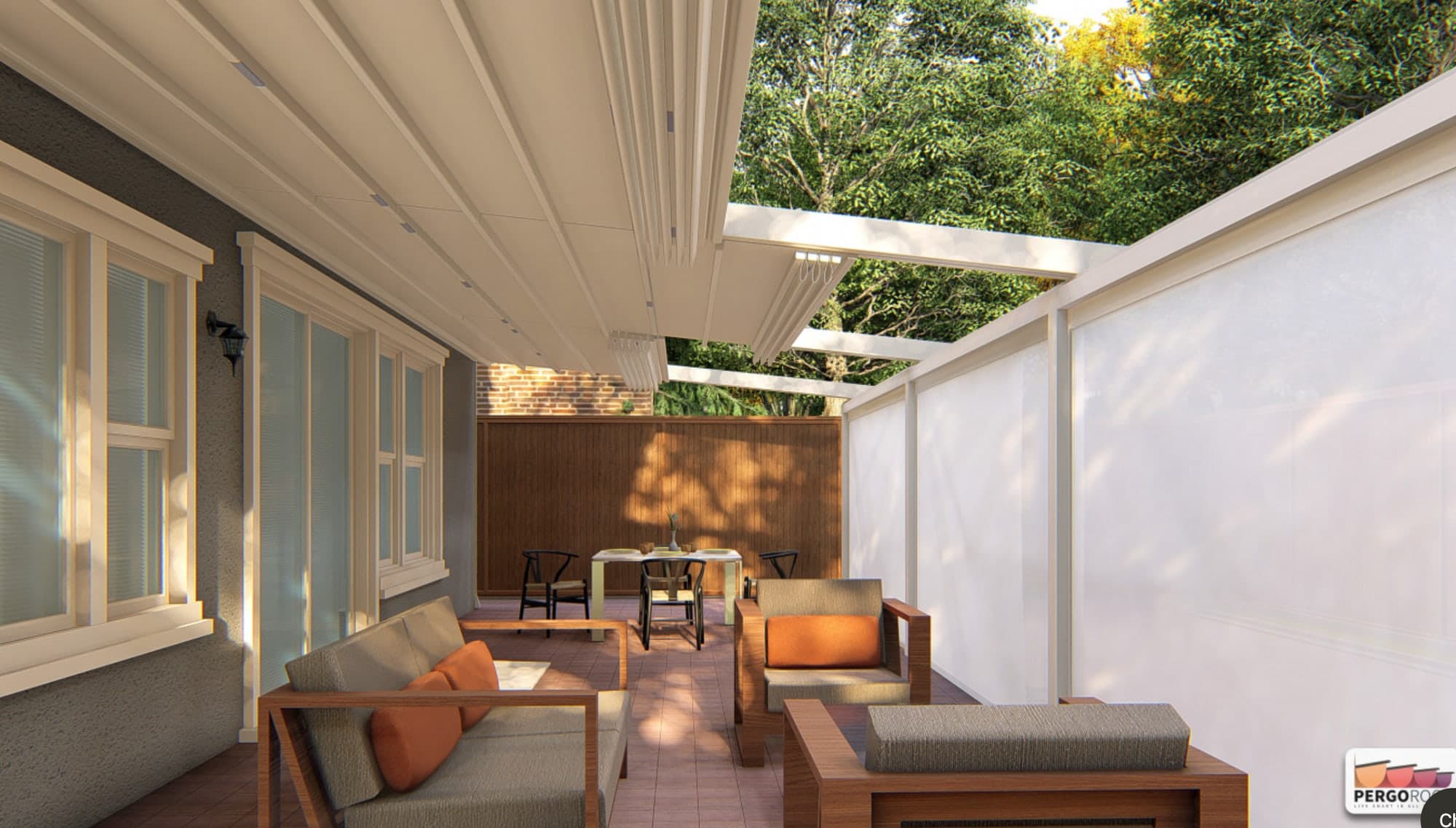
A pergola can transform your outdoor space into an elegant retreat, providing shade, architectural interest, and a framework for climbing plants. However, the installation process is more complex than many homeowners realize. Understanding common mistakes before you begin can save you time, money, and frustration while ensuring your pergola stands strong for years to come.
Inadequate Site Preparation
One of the most frequent errors occurs before the first post goes into the ground. Rushing into installation without properly evaluating and preparing the site sets the stage for problems down the line. Many people fail to check for underground utilities, leading to dangerous situations and costly repairs. Always contact your local utility marking service before digging.
Soil conditions matter tremendously. Installing a pergola in poorly draining soil without proper preparation can lead to water pooling around posts, accelerating rot and compromising structural integrity. Take time to assess drainage patterns and consider how water flows through your yard during heavy rain.
Insufficient Foundation Depth
Perhaps the most critical structural mistake involves post foundations. Building codes exist for good reasons, and foundation depth requirements protect your investment from frost heave, wind damage, and general instability. In Brooklyn and throughout New York, frost lines extend deep enough that shallow foundations simply won’t suffice.
Many DIY installers underestimate the importance of proper concrete footings. Using inadequate footing sizes or skipping concrete altogether in favor of simply burying posts in soil creates a structure vulnerable to movement and premature failure. Posts should extend below the frost line with concrete footings sized appropriately for your pergola’s dimensions and local soil conditions.
Poor Material Selection
Choosing materials based solely on initial cost rather than long-term performance is a mistake that becomes expensive over time. Not all wood species offer the same resistance to rot, insects, and weather exposure. While pressure-treated lumber provides basic protection, premium options like cedar, redwood, or composite materials may prove more cost-effective when considering maintenance and longevity.
Mismatching hardware to your environment creates another common problem. Using standard fasteners in coastal or high-humidity areas invites rust and corrosion. Stainless steel or hot-dipped galvanized hardware costs more initially but prevents unsightly staining and maintains structural integrity.
Incorrect Measurements and Level Issues
Precision matters in pergola construction. Small measurement errors compound as you build, resulting in posts that aren’t plumb, beams that don’t align, or rafters that create irregular spacing. These issues aren’t merely aesthetic—they affect structural soundness and can make the installation process increasingly difficult as work progresses.
Failing to establish level starting points means fighting against your own work throughout the project. Posts that aren’t perfectly plumb create alignment challenges for every subsequent component. Taking extra time to ensure posts are precisely vertical and heights are exact prevents frustration later.
Neglecting Local Building Requirements
Every municipality has specific requirements for outdoor structures, and pergolas aren’t exempt. Many homeowners assume permits aren’t necessary for open structures, only to face fines or forced removal later. Building codes address safety concerns including wind loads, snow loads, and structural integrity standards appropriate for your region.
Setback requirements and height restrictions exist in most areas. Installing a pergola too close to property lines or exceeding height limits creates legal complications with neighbors and local authorities. Homeowner association rules add another layer of requirements in many neighborhoods.
Improper Spacing and Proportions
Aesthetic mistakes affect both appearance and functionality. Rafter spacing that’s too wide reduces shade effectiveness and creates a sparse, incomplete look. Conversely, spacing that’s too tight wastes materials and creates unnecessary weight on the structure.
Scale matters tremendously. A pergola that’s too small for the space looks insignificant and fails to create the desired outdoor room effect. One that’s oversized can overwhelm your yard and create excessive shade where you need sunlight for gardens or lawn.
Skipping Weather Protection
Even rot-resistant materials benefit from proper finishing. Leaving wood completely unfinished accelerates weathering, color changes, and degradation. While some species develop attractive silver patinas naturally, unfinished wood is more vulnerable to moisture penetration and splitting.
Applying finish before assembly is easier and more effective than treating fully constructed pergolas. Pre-finishing allows complete coverage of joints and connection points where moisture typically penetrates.
Professional Installation in Brooklyn
While DIY pergola installation appeals to handy homeowners, the complexity of proper installation shouldn’t be underestimated. Professional installers bring expertise in local building codes, site assessment, and construction techniques that ensure beautiful, durable results.
Brooklyn Deck and Patio specializes in pergola installation throughout Brooklyn, NY. Our experienced team handles everything from initial design consultation through final construction, ensuring your pergola is built to last. We understand local requirements, weather considerations, and the construction challenges unique to urban environments. Contact Brooklyn Deck and Patio at (347) 212-0637 to discuss your pergola project and receive a detailed consultation on creating the perfect outdoor living space for your property.