
PVC vs Wood for Pool Decks: Which Material Should You Choose?
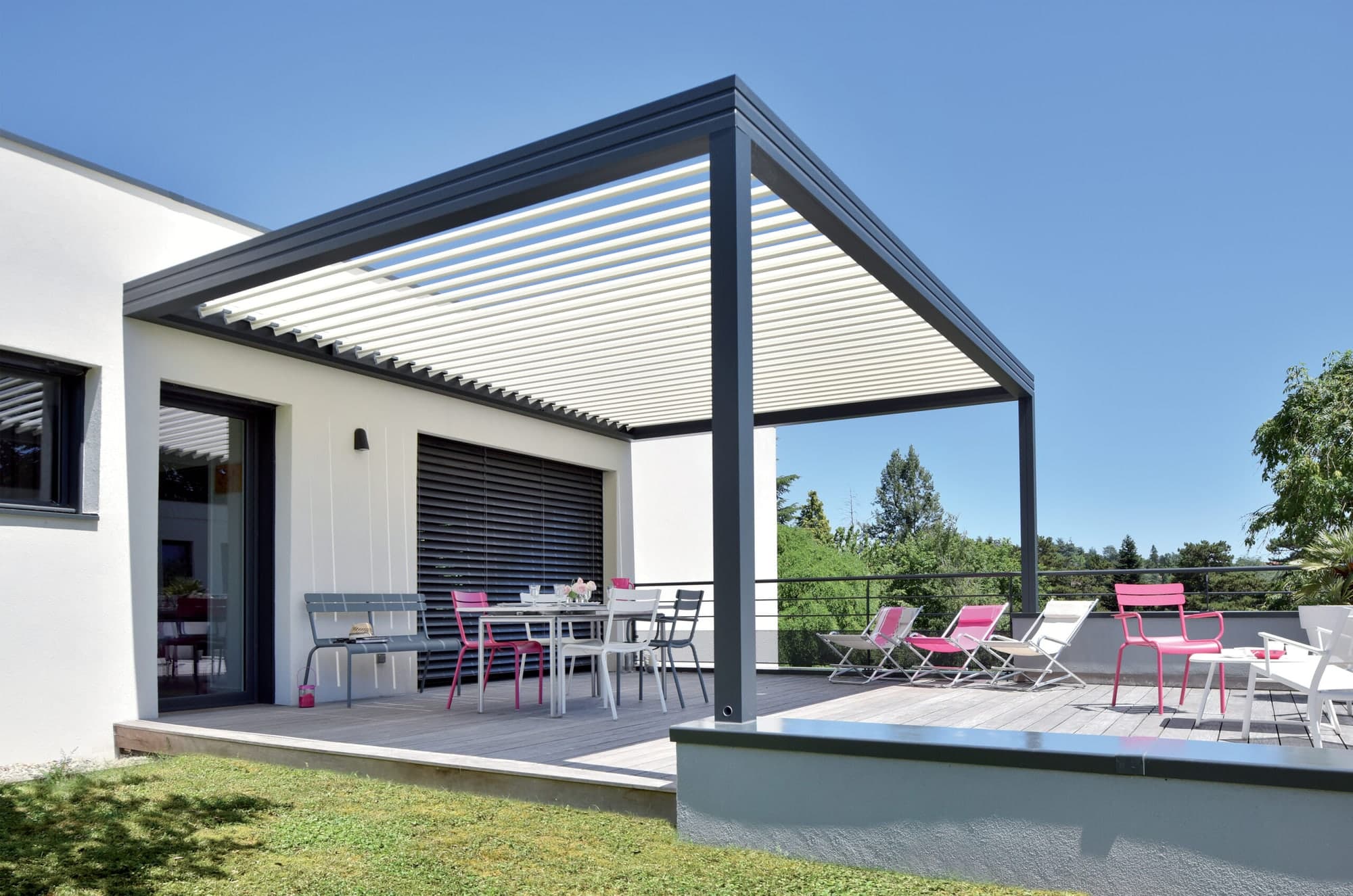
Choosing the right material for pool decks is one of the most important decisions a property owner can make. The area surrounding a pool takes a beating year-round, from constant moisture and chlorine exposure to foot traffic, sunscreen residue, and the relentless Brooklyn sun. Two materials that consistently come up in this conversation are PVC decking and wood decking. Both have loyal followings, and both have real trade-offs worth understanding before you commit to a build.
This breakdown will walk you through what each material brings to the table so you can make a confident, informed choice.
What Makes PVC a Strong Contender for Pool Decks
PVC, or polyvinyl chloride decking, is a fully synthetic material engineered specifically to stand up to the conditions that destroy lesser options. It contains no wood fiber, which means it has no interest in absorbing water, warping, or rotting, all of which are common concerns around pool environments.
The Case for PVC Around the Pool
PVC decking delivers some genuinely impressive advantages for pool decks, especially in humid, high-moisture settings like those found in Brooklyn during the summer months.
It is virtually maintenance-free. Unlike wood, PVC does not need to be sealed, stained, or sanded on a seasonal basis. A rinse with a garden hose or a light pressure washing is typically all it takes to keep the surface looking sharp. For pool owners who want to spend more time relaxing and less time maintaining, this is a significant advantage.
PVC also resists mold, mildew, and algae growth, which are persistent problems in wet environments. It will not splinter underfoot, which is a meaningful safety benefit for bare feet around the pool. Color stability is another strength since high-quality PVC holds its appearance well over time without fading as aggressively as some other materials.
On the downside, PVC can feel noticeably hot underfoot on scorching summer days, which is a real consideration for pool decks where people are barefoot. It can also feel less natural or premium compared to real wood, and the upfront cost tends to be higher than entry-level wood options.
What Wood Brings to Pool Decks
Wood has been a go-to material for pool decks for generations, and it has earned that reputation for good reason. The natural warmth, texture, and visual richness of wood is difficult to replicate, even with today’s best synthetic alternatives.
Pressure-Treated Wood
Pressure-treated wood is the most budget-friendly entry point for pool decks. It is chemically treated to resist rot, insects, and moisture, making it more suitable for wet environments than untreated softwoods. It is widely available, easy to work with, and holds up reasonably well when properly maintained.
The trade-off is that pressure-treated wood requires consistent upkeep. Deck sealing, deck staining, and deck refinishing are not optional tasks if you want the material to last. Without regular maintenance, it will crack, splinter, and deteriorate faster than most homeowners expect.
Cedar and Redwood
Cedar and redwood offer a step up in both appearance and natural performance. Both species contain natural oils that provide some inherent resistance to moisture and decay without relying entirely on chemical treatment. They are softer underfoot than hardwoods and bring a warmer, more refined look to pool decks.
Like pressure-treated wood, they still require deck cleaning, sealing, and periodic refinishing to maintain their appearance and structural integrity over the years.
Exotic Hardwoods
For property owners who want the absolute best that wood can offer, exotic hardwoods like Ipe, Tigerwood, and Cumaru are in a class of their own. These species are extraordinarily dense, naturally resistant to moisture, insects, and rot, and they age beautifully with proper exotic wood care. Pool decks built with Ipe or similar hardwoods can last for decades and hold their value exceptionally well.
The honest downside is cost. Exotic hardwoods sit at the top of the price range, and they require specialized care to prevent surface checking and graying over time.
Comparing the Two Side by Side
When weighing PVC against wood for pool decks, a few key factors tend to drive the decision.
Maintenance is where PVC wins most clearly. Wood in any form demands more ongoing attention, including sealing, sanding, staining, and pressure washing, to stay in good shape around a pool environment. PVC sidesteps nearly all of that.
Aesthetics tend to favor wood, particularly hardwoods, which carry a natural warmth and character that synthetic materials can approximate but rarely fully replicate.
Safety around the pool edge is strong for both when properly installed, though PVC’s splinter-free surface gives it a practical edge for barefoot use.
Budget will often be the deciding factor. Pressure-treated wood offers the lowest upfront cost, while exotic hardwoods and premium PVC products sit at the higher end.
The Right Deck Starts with the Right Builder
Whether you are leaning toward PVC or a beautiful exotic hardwood, the quality of the installation matters just as much as the material itself. Brooklyn Deck and Patio has been helping homeowners and commercial property owners throughout Brooklyn, NY design and build pool decks that are built to last, built to code, and built to impress.
From design consultation and 3D deck modeling to permit acquisition and full deck construction, the team manages every step of the process. Call Brooklyn Deck and Patio at (347) 212-0637 today and get the conversation started about building pool decks that work as hard as you do.