
Wood vs Composite Decking: Which Is Best for Your Home?
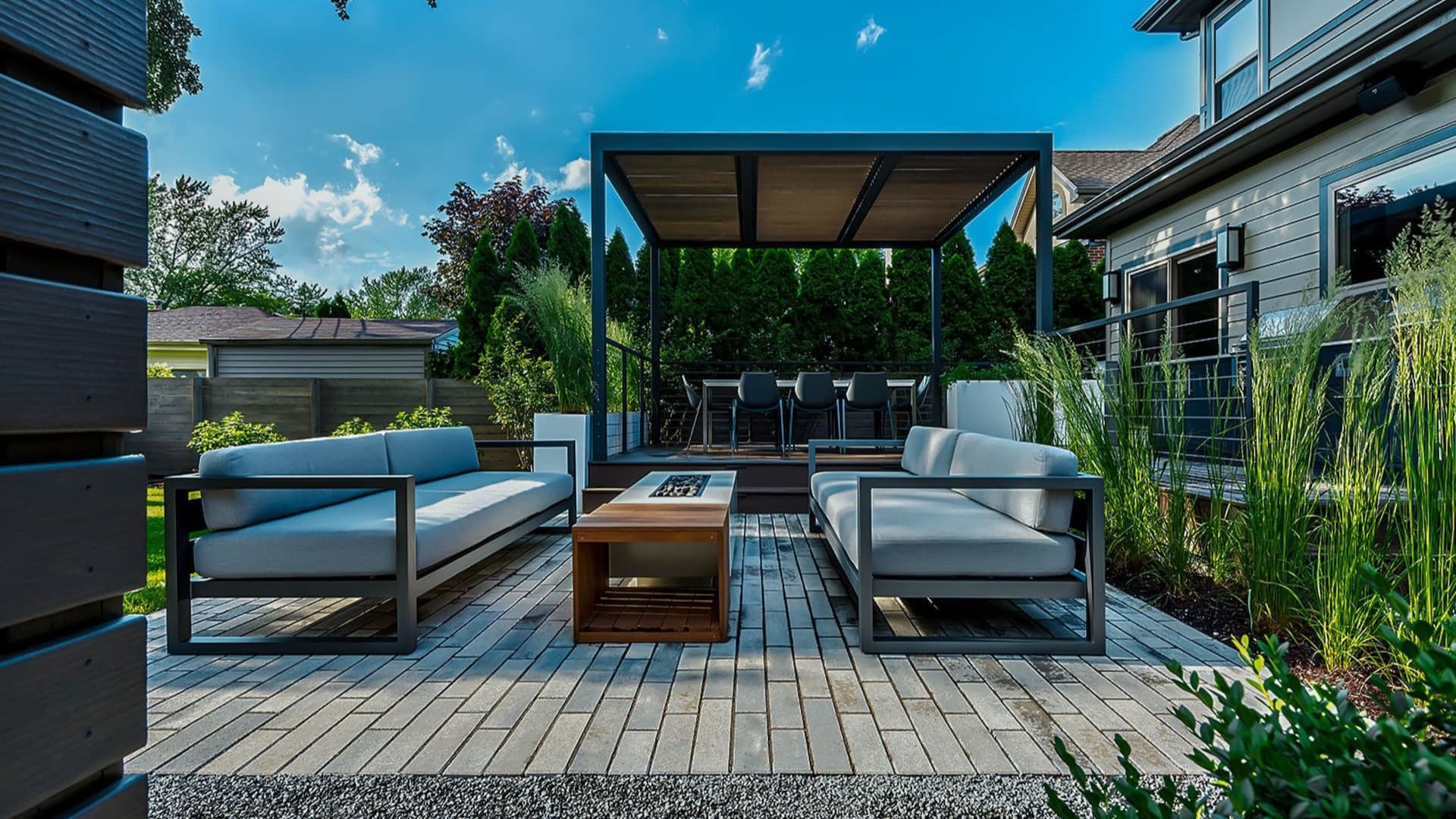
Choosing between wood vs composite decking is one of the most common questions Brooklyn, NY homeowners face when planning a new outdoor space. Both options have real strengths, and neither is the wrong answer for every situation. The best choice depends on your budget, lifestyle, maintenance preferences, and the look you want for your home. Understanding the wood vs composite decking debate before your project begins saves you time, money, and regret down the road. At Brooklyn Deck & Patio, we help homeowners navigate this choice every day and build outdoor spaces they are proud of for years to come.
Understanding Your Options
What the Wood vs Composite Decking Decision Really Comes Down To
If you love the look and feel of natural wood and do not mind investing time in upkeep, you may already have your answer. If low maintenance and long-term durability are your top priorities, composite likely wins. For most Brooklyn, NY homeowners, the wood vs composite decking decision comes down to a balance of aesthetics, practicality, and long-term value.
Natural Wood Decking
The Case for a Classic, Organic Look
Natural wood has been the traditional choice for outdoor spaces for generations, and for good reason. There is simply nothing that fully replicates the warmth, texture, and character of real wood underfoot.
The Advantages of Natural Wood
Authentic appearance. Wood looks, feels, and ages in a way that synthetic materials cannot fully replicate. It blends naturally with greenery, garden beds, and landscaped yards common across Brooklyn, NY neighborhoods.
Design flexibility. Wood can be cut, shaped, stained, and finished in countless ways to match virtually any architectural style from classic brownstone aesthetics to modern rooftop designs.
Proven performance. Species like cedar, Ipe, and teak are naturally resistant to insects and moisture when properly maintained, offering excellent durability over time.
The Drawbacks of Natural Wood
Ongoing maintenance. Wood requires regular cleaning, staining, and sealing to hold its appearance and resist weathering. Skipping maintenance accelerates fading, cracking, and rot.
Color change over time. Even with consistent care, natural wood will age and shift in tone. Some homeowners love this character. Others find it frustrating.
Higher material costs. Premium hardwoods like Ipe and teak are among the most expensive decking materials available, often exceeding the cost of mid-range composite products.
Staining risk. Spills from food, drinks, and grilling can penetrate wood surfaces if not addressed quickly, leaving permanent marks that are difficult to remove.
Composite Decking
Why More Brooklyn, NY Homeowners Are Making the Switch
Composite decking from brands like Trex, Fiberon, and Deckorators has transformed the outdoor living industry. Today’s composite boards offer realistic wood-like appearances with a fraction of the upkeep, making them a strong contender in the wood vs composite decking conversation.
The Advantages of Composite Decking
Lasting appearance. Quality composite boards resist fading, staining, and scratching for years. Your deck looks sharp season after season with minimal effort.
Easy cleaning. Soap and water handle most messes. Composite surfaces do not absorb spills the way wood does, making them far easier to maintain for busy Brooklyn, NY families.
No professional maintenance required. Unlike wood, composite decking does not need annual staining, sealing, or sanding. That saves homeowners real time and money over the life of the deck.
Cost-effective over time. While upfront pricing varies, most composite products cost less than premium hardwoods and deliver significantly lower lifetime maintenance costs.
The Drawbacks of Composite Decking
Heat retention. Composite boards absorb more heat than wood in direct sunlight, which can make surfaces uncomfortable during peak summer afternoons without shade structures overhead.
Synthetic appearance. Despite major improvements in texture and color technology, composite decking does not fully replicate the organic character of real wood, which matters to some homeowners.
The Best of Both Worlds
How Brooklyn Deck & Patio Resolves the Wood vs Composite Decking Debate
At Brooklyn Deck & Patio, we often recommend a hybrid approach that gets the most out of both materials. Here is what we advise most of our Brooklyn, NY clients when weighing wood vs composite decking for their project.
Use composite decking for the floor surface. Deck boards take the heaviest daily foot traffic, sun exposure, and wear. Composite handles all of that with minimal maintenance and consistent performance over time.
Use natural wood for vertical elements and accents. Railings, privacy walls, and decorative features built from cedar, Ipe, or teak bring the warmth and organic character homeowners love without the high-wear concerns associated with floor boards.
This balanced approach gives you a maintenance-free foundation and the natural aesthetic that makes an outdoor space feel like a true extension of your home. The wood vs composite decking decision does not have to be an either-or choice.
Contact Brooklyn Deck & Patio Today
The wood vs composite decking decision is one of the most important choices you will make for your outdoor space, and you do not have to figure it out alone. Brooklyn Deck & Patio helps Brooklyn, NY homeowners choose the right materials, design a layout that fits their lifestyle, and build a deck that holds up beautifully for decades. We are licensed, insured, and committed to your complete satisfaction on every project. Call (347) 212-0637 today to schedule your free consultation and get expert guidance on the wood vs composite decking choice that is right for your home.
Common Questions Brooklyn, NY Homeowners Ask
Which option is better for rooftop decks?
Composite is generally preferred for rooftop applications due to its lighter weight options, moisture resistance, and low maintenance requirements in exposed environments.
How long does each material last?
Quality composite decking typically lasts 25 to 30 years. Hardwoods like Ipe can last just as long with proper maintenance. Pressure-treated pine requires more upkeep and may need replacement sooner.
Does material choice affect permits or timelines?
Material selection affects project planning but does not typically impact the permitting process. Brooklyn Deck & Patio handles all permit requirements on your behalf from start to finish.